
How to Pack Electronic Equipment for Safe Shipping: A Complete Guide
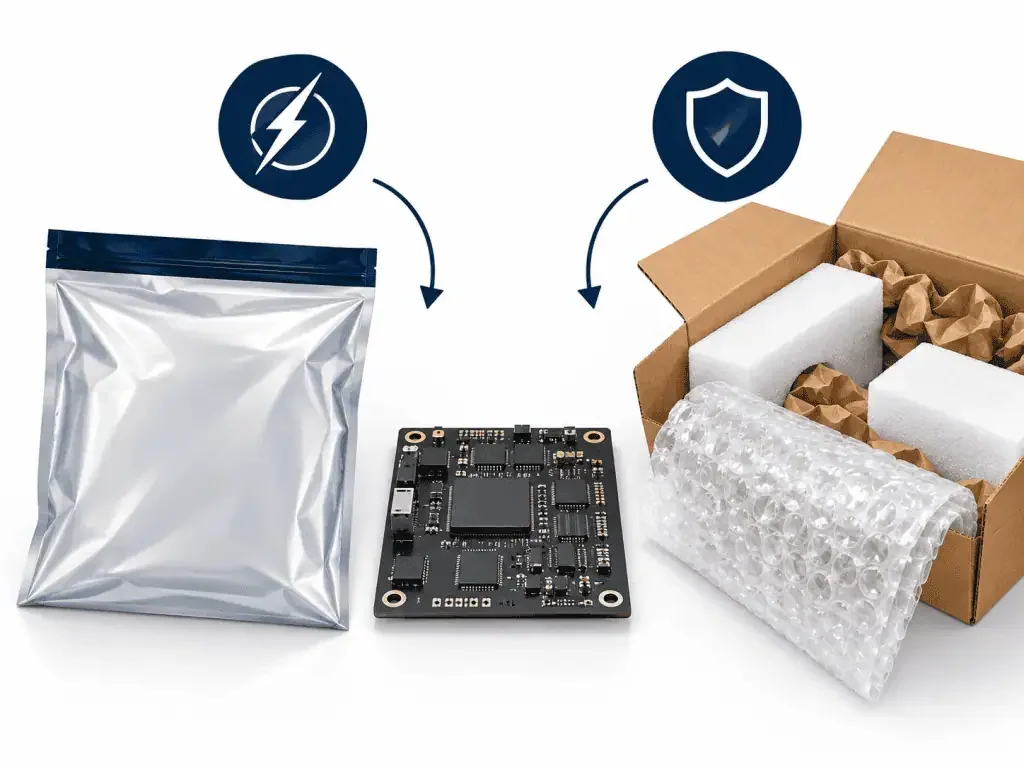
Electronic equipment requires proper care and protective packaging during transportation. Whether you are shipping laptops, televisions, computers, kitchen appliances, or other electronic devices, the right packing method can help prevent damage during handling and delivery.
For individuals and businesses in Dubai, preparing electronic items before shipping is especially important when sending goods over long distances. Poor packaging can expose electronics to scratches, moisture, vibration, and accidental impacts.
If you are planning to ship electronic equipment internationally, understanding the correct packing materials and safety precautions can make the process easier. In this guide, we will explain how to pack electronic equipment for safe shipping and prepare your items for transportation.
Why Is Proper Packaging Important for Electronic Equipment?
Electronic devices contain sensitive components that can be damaged by physical pressure, sudden impacts, dust, and moisture. Even a small amount of movement inside a shipping box can cause scratches or damage to delicate parts.
Proper packaging provides an additional layer of protection during loading, unloading, storage, and transportation. It also helps keep accessories and individual components organised throughout the shipping process.
For expensive electronics and commercial equipment, using suitable protective materials is an important part of safe cargo handling.
What Materials Are Best for Packing Electronic Equipment?
Choosing the right packaging materials is the first step towards protecting electronic items. Different devices may require different levels of protection depending on their size, weight, and sensitivity.
Here are some useful materials for electronic equipment packaging:
Bubble Wrap: Bubble wrap provides cushioning around electronic devices and helps absorb minor impacts during transportation.
Foam Sheets: Foam sheets protect delicate surfaces, screens, corners, and other sensitive components from scratches.
Anti Static Bags: These bags help protect sensitive electronic components, such as circuit boards and computer parts, from electrostatic discharge.
Strong Cardboard Boxes: Durable, double wall cardboard boxes provide external protection and help prevent pressure damage.
Packing Tape: Strong packing tape keeps the box securely closed and reduces the risk of accidental opening.
MZ Cargo offers professional packing services using suitable protective materials for electronics, household items, machinery, and commercial goods.
How to Pack Electronic Equipment for Safe Shipping?
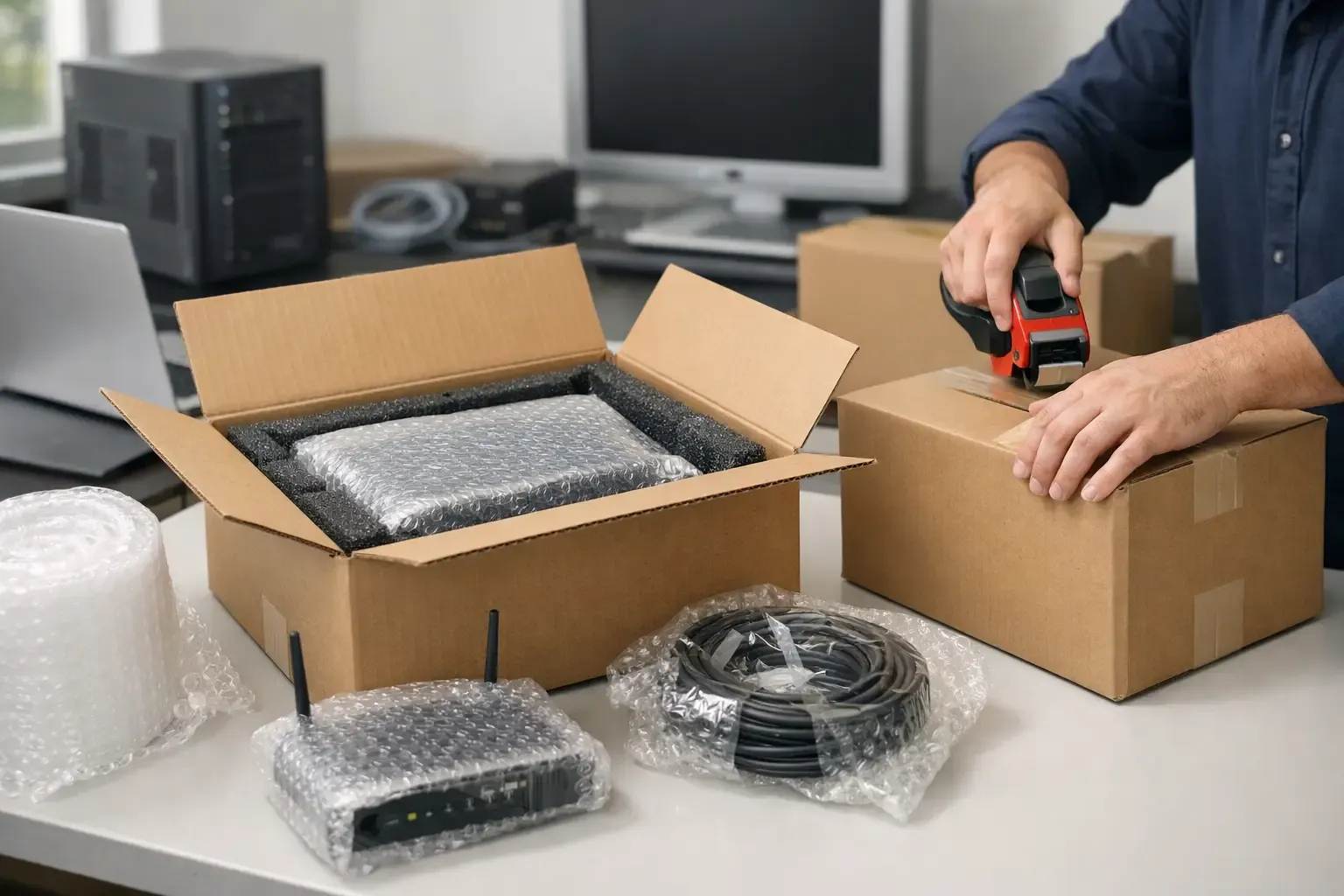
Packing electronics correctly requires a few important steps. Following these practices can help reduce the risk of damage during transportation.
1. Check and Prepare Electronic Devices
Before packing, inspect each electronic item for visible damage. Make sure the equipment is switched off and disconnect all cables, chargers, batteries, and removable accessories where appropriate.
For computers and laptops, back up important files before shipping. Remove personal storage devices if they do not need to travel with the equipment.
Keep accessories separate so they do not scratch screens or other delicate surfaces.
2. Use Original Packaging Whenever Possible
Original manufacturer packaging is often a good option because it is designed around the shape and size of the product.
It usually includes fitted inserts that hold the device in place and reduce movement inside the box.
If the original packaging is unavailable, choose a strong box with enough room for protective cushioning around the equipment.
3. Wrap Each Electronic Item Separately
Wrap each device individually using bubble wrap or suitable foam sheets. Pay particular attention to screens, corners, buttons, and other delicate areas.
For sensitive computer components, use anti static packaging before adding external cushioning.
If you are packing multiple devices together, separate them with foam dividers or individual protective wrapping to prevent contact during transportation.
4. Choose a Strong Shipping Box
Select a box that can support the weight and size of your electronic equipment. Double wall cardboard boxes are a suitable option for many heavier or fragile electronic shipments.
Place cushioning material at the bottom before positioning the equipment inside.
Make sure there is enough protective material around the device so it does not directly touch the outer walls of the box.
5. Fill Empty Spaces Inside the Box
Empty spaces allow electronic equipment to move when the package is handled or transported.
Use foam inserts, bubble wrap, or suitable cushioning materials to fill gaps around the device. The equipment should remain stable without unnecessary pressure on delicate components.
For expensive or particularly fragile electronics, consider using a box inside another box for additional protection.
6. Seal and Label the Package Properly
Once everything is packed, close the box securely using strong packing tape. Reinforce the top and bottom seams to reduce the risk of the package opening during transit.
Attach the shipping label clearly and make sure important shipment information remains visible.
You can also add suitable handling labels, such as Fragile, where appropriate. However, labels should not replace proper internal protection.
How to Protect Different Types of Electronic Equipment?
Different electronic devices require different packaging methods. Understanding their individual requirements can help you prepare them more effectively.
How to Pack Computers and Laptops for Shipping?
Computers and laptops contain sensitive internal components and screens that need extra protection. Use original packaging where possible, or wrap the equipment with suitable cushioning materials.
Pack chargers, keyboards, cables, and accessories separately. Avoid placing heavy objects on top of laptop boxes during storage or transportation.
How to Pack Televisions Safely?
Televisions have delicate screens that can be damaged by pressure or improper handling. Use the original television box and fitted protective inserts whenever possible.
If the original box is unavailable, use suitable screen protection, corner cushioning, and a strong box designed for the television's dimensions.
Keep the television upright where the packaging and handling instructions require it.
How to Pack Kitchen Appliances?
Kitchen appliances such as microwaves, blenders, coffee machines, and other electrical equipment should be cleaned and dried before packing.
Remove detachable parts and wrap them separately. Secure loose components and protect glass or plastic sections with suitable cushioning.
Make sure the appliance cannot move freely inside the shipping box.
How to Pack Industrial Electronic Equipment?
Industrial electronic equipment may contain sensitive controls, circuit boards, and specialised components.
Use suitable protective packaging based on the equipment's weight, dimensions, and handling requirements. For larger machinery or valuable equipment, professional packing and secure transportation can help reduce handling risks.
What Precautions Should You Take When Shipping Electronics Internationally?
Packing is only one part of preparing electronic equipment for international transportation. You should also consider shipping regulations, documentation, and the requirements of your destination country.
Here are some important precautions:
- Check battery requirements: Electronic devices containing lithium batteries may be subject to specific transportation restrictions and packaging requirements. Check the carrier's rules before shipping.
- Protect against moisture: Use suitable protective packaging to reduce exposure to moisture during handling and storage.
- Prepare shipping documents: Provide accurate item descriptions, shipment values, and other required customs information.
- Check destination regulations: Some countries have restrictions on particular electronic products and electrical equipment.
- Choose a suitable shipping method: Consider the size, weight, value, and delivery requirements of your equipment.
For international shipments, battery handling and documentation requirements should always be checked before booking.
DHL+2
Should You Choose Air Freight or Sea Freight for Electronic Equipment?
The right shipping method depends on your shipment size, delivery requirements, and budget.
Air Freight: Air freight can be a suitable choice for smaller, valuable, or time sensitive electronic shipments. It offers faster transportation compared with many sea freight options.
Sea Freight: Sea freight can be useful for large commercial shipments, bulk electronic equipment, and heavier consignments. It can provide a more economical option when delivery time is flexible.
Before selecting a shipping method, consider the packaging requirements, battery restrictions, and handling arrangements for your equipment.
You can explore MZ Cargo Air Freight Services for international shipping solutions from Dubai.
Why Choose Professional Packing Services in Dubai?
Packing electronic equipment yourself may be manageable for smaller devices, but larger appliances, commercial electronics, and sensitive equipment often require additional care.
Professional packing services can help you select suitable materials, protect delicate components, and prepare shipments for transportation.
MZ Cargo provides packing solutions for electronics, household appliances, commercial goods, and other cargo. Its services include protective wrapping, cartons, foam cushioning, and wooden crate packing where suitable.
You can also explore MZ Cargo Household Cargo Services for packing and transportation of personal belongings and household electronics.
If you are planning an international shipment, visit MZ Cargo to learn more about available cargo and logistics solutions from Dubai.
Frequently Asked Questions
1. How to Pack Electronic Equipment for Safe Shipping?
Switch off the equipment, disconnect accessories, and wrap each item separately using bubble wrap or suitable protective materials. Place it in a strong box with sufficient cushioning and seal it securely.
2. What Is the Best Packaging Material for Electronic Equipment?
Bubble wrap, foam sheets, anti static bags, and strong cardboard boxes are commonly used for electronic equipment. The right materials depend on the device and its sensitivity.
3. Can Electronic Equipment Be Shipped Internationally?
Yes, many types of electronic equipment can be shipped internationally. However, certain products, especially those containing lithium batteries, may have additional shipping restrictions.
4. How Can I Prevent Damage to Electronics During Transportation?
Use suitable protective packaging, secure loose components, fill empty spaces inside boxes, and choose a reliable cargo transportation service.
5. Is Air Freight Suitable for Shipping Electronic Equipment?
Air freight can be suitable for valuable and time sensitive electronic shipments. However, battery regulations, packaging requirements, and carrier acceptance policies should be checked before booking.
Conclusion
Knowing how to pack electronic equipment for safe shipping can help protect valuable devices from damage during transportation. Using suitable packaging materials, securing individual components, and following international shipping requirements are important steps.
Whether you are sending computers, televisions, kitchen appliances, or commercial electronic equipment, proper preparation makes a difference.
For reliable packing and cargo transportation solutions from Dubai, MZ Cargo can help you prepare your shipment for international delivery. Contact the team to discuss your cargo requirements and find a suitable shipping solution.