
Air Freight vs Sea Freight: Which Is Better for Shipping from Dubai?
Choosing between air freight and sea freight is an important decision when sending cargo from Dubai to international destinations. Both shipping methods help individuals and businesses transport goods, but they differ in delivery speed, transportation costs, cargo capacity and handling requirements.
Some shipments need fast delivery, while others require affordable transportation for large quantities of goods. Understanding the difference between air freight and sea freight helps customers select a suitable shipping solution based on their budget and delivery requirements.
Dubai is a major international logistics hub with access to airports, seaports and established freight networks. Customers can explore different shipping options from Dubai depending on their cargo type, destination and delivery schedule.
What Are Cargo Services?
Cargo services involve transporting goods from one location to another through air, sea or road transportation. These services help individuals, retailers, manufacturers and businesses move personal belongings, commercial products, machinery and other shipments.
Professional cargo services in UAE may include collection, packing, documentation, freight forwarding, customs coordination, storage and final delivery. The exact services depend on the shipping provider and selected transportation method.
For international shipments, customers should consider cargo weight, dimensions, destination regulations and delivery requirements before selecting a freight service.
Air Freight vs Sea Freight: What Is the Difference?
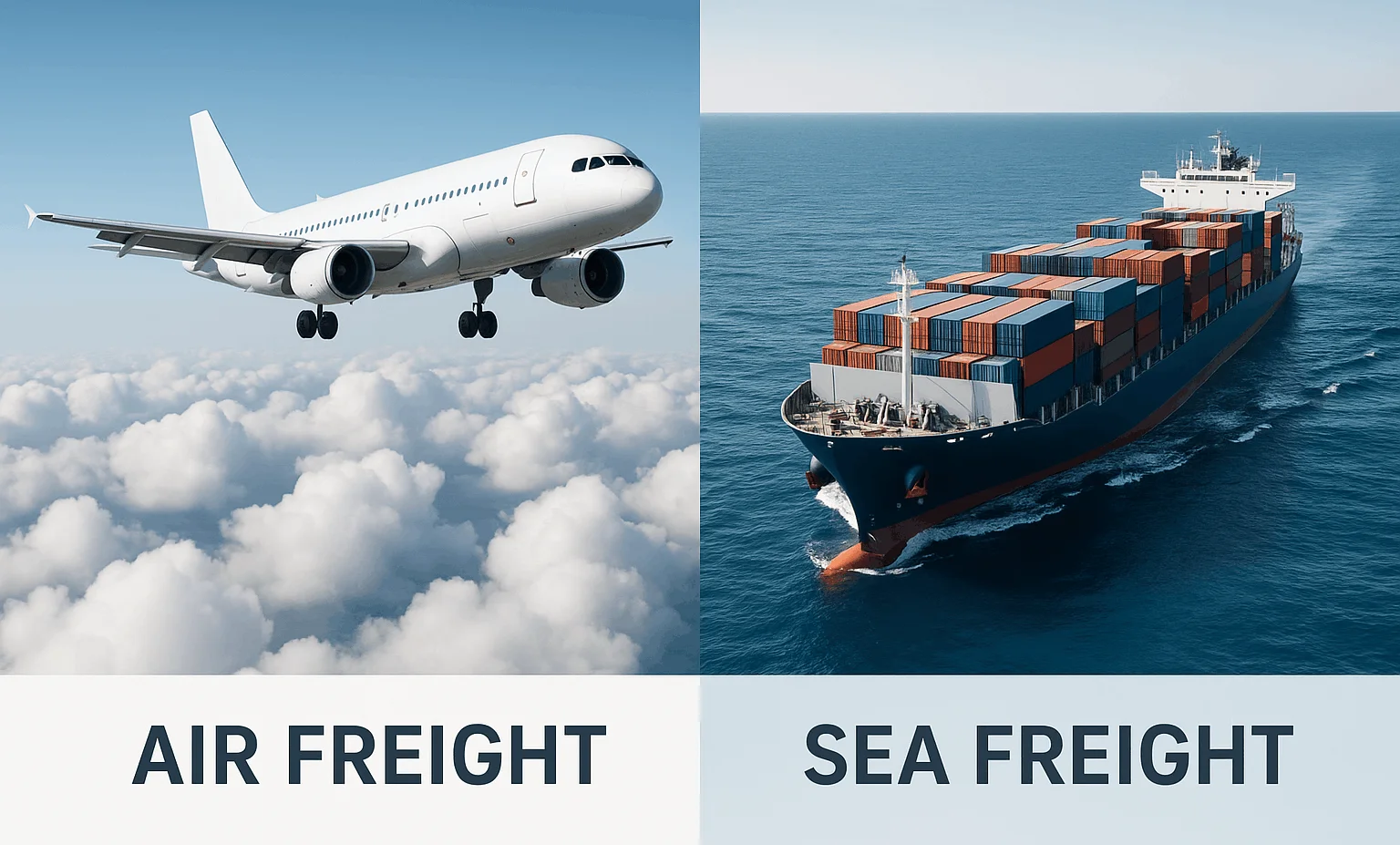
The main difference between air freight and sea freight is the transportation method. Air freight moves goods through commercial or dedicated cargo aircraft, while sea freight transports shipments using cargo vessels and shipping containers.
Both methods support international shipping, but they serve different transportation needs. Air freight is generally suitable for urgent and smaller shipments, whereas sea freight is commonly preferred for heavy, bulky and large volume cargo.
Air Freight Shipping
Air freight is a transportation method that moves goods between airports using aircraft. It is widely used by businesses that need quick delivery for urgent products, valuable items and time sensitive shipments.
International air freight from Dubai connects businesses with global markets through established airline networks. Air shipping services in Dubai can handle documents, electronics, spare parts, samples and smaller commercial consignments.
The main advantages of air freight include faster transportation, frequent flight schedules and suitability for urgent deliveries. However, higher transportation costs and restrictions on certain goods can make it less suitable for large shipments.
Sea Freight Shipping
Sea freight transports goods through cargo ships using shipping containers. It is a popular option for international businesses that need to move large quantities of products without paying the higher costs associated with air transportation.
International sea freight Dubai services generally provide two main options: Full Container Load (FCL) and Less than Container Load (LCL). FCL allows customers to use an entire container, while LCL lets different customers share container space.
Sea freight is suitable for furniture, construction materials, industrial equipment, household belongings and bulk commercial shipments. Although sea freight delivery time is longer, it can provide a cost effective solution for shipments that do not require urgent transportation.
Air Freight vs Sea Freight Cost Comparison
Shipping costs are one of the biggest considerations when choosing between air and sea transportation. Air freight vs sea freight cost depends on the shipment weight, dimensions, destination, cargo type and required delivery schedule.
Air freight shipping cost is generally calculated using actual or volumetric weight, whichever produces the higher chargeable weight. This means lightweight but bulky packages may still have higher transportation charges.
Sea freight shipping cost usually depends on container requirements, shipment volume, cargo type, destination port and additional handling charges. For larger shipments, sea transportation often offers a more economical option.
Customers looking for the cheapest way to ship cargo internationally should compare the complete shipping price rather than transportation charges alone. Customs duties, documentation, insurance, port handling and final delivery can affect the overall budget.
Air Freight Delivery Time vs Sea Freight Delivery Time
Delivery speed is another major difference between air shipping and sea shipping. Air freight delivery time is usually shorter because aircraft cover long distances faster than cargo vessels.
Sea freight delivery time depends on the shipping route, vessel schedule, port congestion, customs procedures and final destination. International sea shipments may take several weeks, depending on the route.
Businesses should also consider collection, packaging, export documentation and customs clearance when calculating the complete delivery schedule. A realistic timeline helps prevent inventory shortages and unnecessary delays.
Advantages and Disadvantages of Air and Sea Freight
Understanding the advantages of air freight and sea freight helps customers choose the right transportation method for their shipments.
Benefits of Air Freight
Air freight is useful when speed and delivery schedules are important. It allows businesses to transport urgent products, valuable goods and smaller packages without waiting for long sea transportation schedules.
It can also support businesses that need regular international deliveries, replacement parts or quick stock replenishment. However, higher shipping charges and cargo restrictions are important disadvantages to consider.
Benefits of Sea Freight
Sea freight provides greater capacity for large and heavy shipments. It is suitable for businesses transporting bulk inventory, furniture, machinery and commercial products over international routes.
FCL and LCL options allow customers to select container arrangements according to shipment size. Its main disadvantages include longer transit times, port handling requirements and possible delays caused by vessel schedules or congestion.
Air Freight vs Sea Freight UAE: Which Is Better for Businesses?
For businesses operating in Dubai, the right shipping method depends on product demand, delivery commitments and transportation budgets. Air freight vs sea freight for businesses is not simply a choice between fast and slow delivery. It also involves inventory planning and the total cost of receiving products.
Retailers importing small quantities of valuable products may benefit from air freight. Manufacturers and wholesalers moving large volumes of stock may find sea freight more practical.
Some businesses use both transportation methods. They move regular inventory through sea freight and reserve air shipping for urgent orders, samples and unexpected stock requirements.
Shipping from Dubai to Saudi Arabia: Air, Sea and Road Freight Options
Dubai has established logistics connections with Saudi Arabia, making it an important starting point for personal and commercial shipments. Customers can choose between road, air and sea freight depending on their cargo requirements and delivery destination.
Road freight is commonly used for shipments moving between the UAE and Saudi Arabia because both countries share a land border. It can accommodate household goods, furniture, retail products and commercial cargo.
Air freight is suitable for urgent shipments that need faster transportation to major Saudi cities. Sea freight can support larger commercial consignments moving through Saudi ports, particularly when shipment volume and transportation costs are important considerations.
Major Saudi Destinations
Common cargo destinations from Dubai include Riyadh, Jeddah, Dammam, Al Khobar, Makkah and Madinah. Each destination has different transportation and final delivery requirements.
Riyadh is an important commercial destination, while Jeddah provides access to major trading and port facilities. Dammam and Al Khobar are important locations for industrial and business shipments.
Customers should confirm the delivery address, cargo type and available transportation options before arranging international shipping.
Personal, Household and Commercial Cargo Shipments
Cargo transportation is not limited to large businesses. Individuals and families also use international shipping services to move personal belongings, furniture, appliances and household items.
For personal shipments, the transportation method depends on the quantity and urgency of the goods. Smaller packages may be suitable for air freight, while larger household shipments can be more economical through sea or road transportation.
Commercial cargo includes retail inventory, machinery, spare parts, construction materials and wholesale products. Businesses should compare air cargo vs sea cargo cost and delivery schedules before making a booking.
For heavy cargo and bulk shipments, sea freight can provide suitable container capacity. For smaller and urgent business consignments, air freight may offer greater convenience.
Door to Door Cargo Delivery from Dubai
Door to door delivery is a shipping arrangement in which cargo is collected from the sender's address and delivered to the recipient's specified location. It reduces the need for customers to coordinate separate transportation arrangements.
Door to door air freight services Dubai can be useful for urgent personal and business shipments. Similarly, door to door sea freight services Dubai can support larger shipments when collection, port handling and final delivery are arranged as part of the service.
Before booking, customers should confirm whether packing, customs clearance, insurance, duties and final delivery are included in the quotation. These details help avoid unexpected charges.
What Factors Affect Cargo Pricing?
Air freight vs sea freight price varies according to several shipment details. Customers should provide accurate information when requesting a quotation because even small differences in cargo dimensions or weight can affect the final cost.
The main pricing factors include:
- Cargo weight and volume: Actual weight and shipment dimensions determine the applicable freight charges.
- Destination: Distance, shipping route and destination facilities affect transportation costs.
- Shipping method: Air, sea and road freight have different pricing structures.
- Cargo type: Fragile, restricted, valuable or special handling goods may require additional arrangements.
- Packaging: Packing materials, palletisation and protective handling can increase the total cost.
- Additional services: Customs clearance, insurance, warehousing and door to door delivery may involve extra charges.
Comparing complete quotations from international shipping companies in Dubai helps customers understand what they are paying for and choose a suitable service.
How to Choose a Reliable Cargo Service in Dubai?
Choosing a reliable freight forwarding company Dubai requires more than comparing prices. Customers should check the provider's experience, available transportation options, cargo handling procedures and communication process.
A professional shipping provider should explain the available air and sea freight shipping solutions according to the shipment size and delivery schedule. Clear quotations, proper documentation and regular shipment updates also help customers manage international transportation.
When selecting the best air freight services in Dubai or best sea freight services in Dubai, make sure the provider understands your destination requirements and can explain the complete shipping process.
How to Book International Cargo Shipping from Dubai
Booking an international shipment becomes easier when customers prepare the necessary information in advance. A clear booking process also helps freight providers recommend appropriate transportation options.
The process generally includes four steps:
- Share shipment details: Provide cargo type, quantity, dimensions, weight and destination address.
- Compare transportation options: Review air, sea or road freight according to cost and delivery requirements.
- Confirm the quotation: Check transportation charges, additional services, documentation and estimated delivery schedule.
- Arrange collection and delivery: Finalise the booking and coordinate cargo collection, transportation and final delivery.
Customers should also check destination specific customs requirements and restrictions before dispatch.
Why Choose a Professional Cargo Service Provider?
A professional cargo service provider helps coordinate different stages of international transportation. From shipment collection and documentation to freight arrangements and final delivery, proper coordination can make shipping more manageable.
Customers benefit from clear pricing, suitable transportation recommendations, careful cargo handling and communication throughout the shipping process. These features are particularly important for businesses that depend on regular international deliveries.
For customers comparing cargo services in UAE, choosing a provider with suitable air, sea and road freight arrangements can make it easier to manage different shipment requirements.
Frequently Asked Questions
1. What is the main difference between air freight and sea freight?
Air freight transports goods through aircraft, while sea freight uses cargo ships and shipping containers. Air freight is generally faster, whereas sea freight is often more economical for heavy and large volume shipments.
2. Is air freight cheaper than sea freight?
Generally, no. Air freight usually costs more because of faster transportation and limited cargo capacity. Sea freight is often more affordable for bulk shipments and large commercial consignments.
3. Which is faster, air freight or sea freight?
Air freight is faster because aircraft cover international distances in less time. Sea freight requires additional time for vessel schedules, port handling and customs procedures.
4. When should I choose sea freight?
Choose sea freight when transporting heavy goods, furniture, machinery or bulk commercial products. It is particularly useful when delivery time is flexible and controlling transportation costs is a priority.
5. Is air freight suitable for small shipments?
Yes. Air freight is suitable for small parcels, business samples, electronics, spare parts and urgent products that require faster delivery.
6. What is the difference between FCL and LCL shipping?
FCL means Full Container Load, where one customer uses an entire shipping container. LCL means Less than Container Load, where multiple customers share container space for smaller shipments.
7. Which shipping method is best for cargo from Dubai to Saudi Arabia?
The best method depends on shipment size, urgency and destination. Air freight suits urgent shipments, sea freight supports large commercial cargo, and road freight is another practical option for transportation between Dubai and Saudi Arabia.
8. What information is required to calculate cargo shipping costs?
Customers generally need to provide cargo weight, dimensions, shipment quantity, cargo type, pickup location and destination address. These details help calculate transportation and additional service charges.
Conclusion
Choosing between air freight vs sea freight depends on your shipment requirements, budget and delivery schedule. Air freight is a suitable option for urgent and smaller shipments, while sea freight provides an economical solution for heavy goods and bulk commercial cargo.
For shipments from Dubai, customers should also consider road freight, particularly when transporting goods to Saudi Arabia and other nearby GCC destinations. Comparing transportation costs, delivery options and additional services can help individuals and businesses make better shipping decisions.
A suitable cargo service provider can simplify the process through proper shipment planning, documentation, cargo handling and door to door delivery arrangements.